1 · Information arrives late
Relevant information for a delivery phase is found after the intended working state was prepared.
 VALKOIRAIT SERVICES · SOFTWARE · AUTOMATION
PROJECT REALITY · AI · CAD/3D · DOCUMENTS
Documents, project platforms, CAD/3D models, technical systems and historical states often describe different fragments of the same project. Valkoira can connect those fragments into a usable project context. ATLAS is the system behind that work: it helps make gaps, contradictions, dependencies and provenance inspectable — without pretending uncertain information is true.
Discuss your project realityA project change is not just a new file. Its affected dependencies, provenance and qualified state need to be understood before downstream use.
THE CHAIN REACTION
Relevant information for a delivery phase is found after the intended working state was prepared.
An older plan, model or document is uploaded because the platform can store it but does not qualify its project meaning.
People, downstream systems and later phases treat the accepted state as current.
Decisions, quantities, coordination, deadlines and later deliverables can inherit the mismatch until somebody notices it.
WHAT A DIFFERENT PLATFORM COULD DO
Know which state supersedes which, when it became valid and which project phase or area it belongs to.
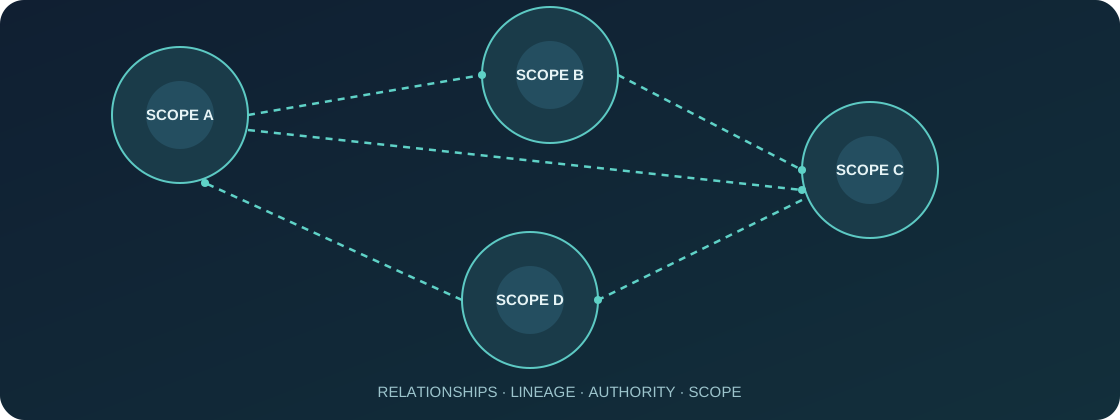
Relate plans, models, requirements, decisions, quantities, tasks and downstream deliverables so a changed fact exposes what it can affect.
Keep visible which participant, role or system received which relevant state instead of assuming that upload equals shared knowledge.
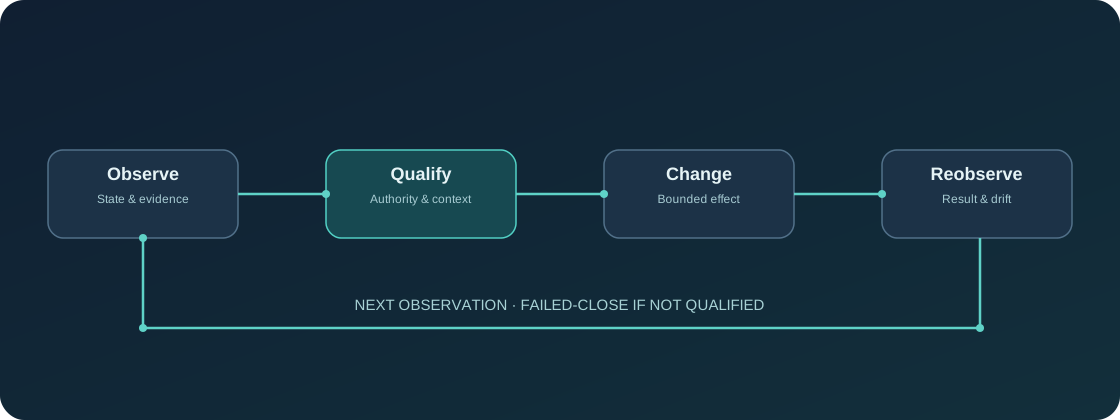
Before a submission becomes the next accepted working state, compare it with the known project reality and surface stale, conflicting or missing context.
Route changed context to the people and systems whose work depends on it, rather than relying on somebody noticing a new file.
Keep why a state was accepted, rejected or explicitly overridden inspectable instead of hiding the decision in a meeting or inbox.
EXAMPLE
A team can still meet the upload deadline while submitting a state that was already superseded by information discovered elsewhere. A conventional platform can successfully store that file and still propagate the wrong reality.
An ATLAS-style project platform could check which state is known, where it applies, what changed and who depends on it before the submission moves on. If information is missing or contradictory, that remains visible: the state can stay unresolved and be routed to the responsible decision instead of silently being treated as correct.
ATLAS can only work with information that can be observed and related. What is missing remains unknown. A conflict can be surfaced without the system deciding contractual, engineering or managerial truth. Who may block, override or approve is assigned for the concrete project.
Documents, models, decisions and changes stay connected in context. Stale states can surface earlier and relevant changes can reach the people who depend on them before information loss becomes rework.